Common RAM Tonneau Cover Problems and How to Avoid Them
- bisontonneaucovers
- Jun 15
- 6 min read

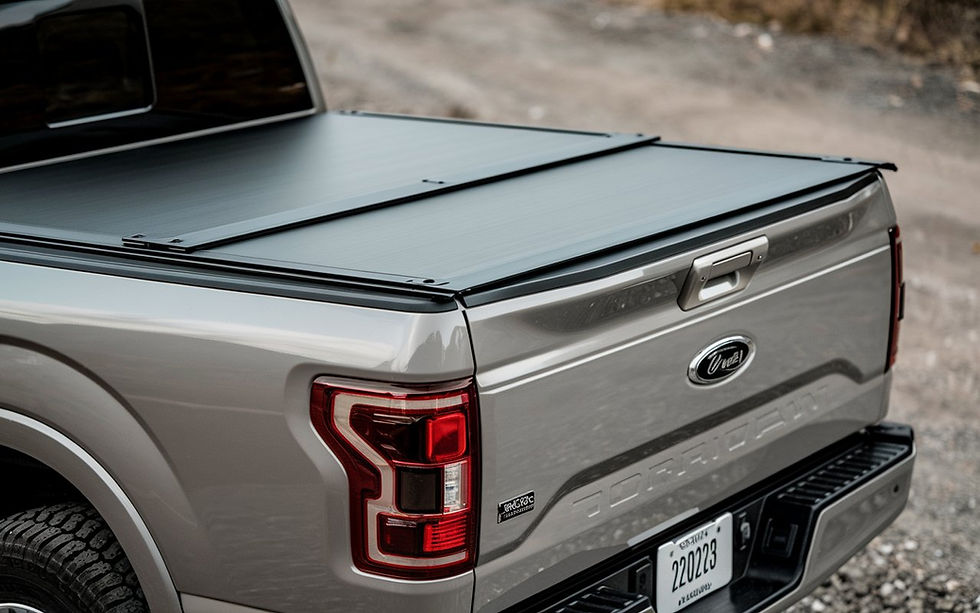
RAM 1500, 2500, and 3500 owners often love their tonneau covers for security and weather protection, but reality can be frustrating: leaks, noise, gaps, and sticking covers. Most of these problems aren’t random—they come from poor fit, bad installation, low‑quality materials, or lack of maintenance. Knowing the common issues and how to avoid them can help you pick a cover that lasts and performs.
1. Water Leaks and Moisture in the Bed
Leaks are the #1 complaint with RAM tonneau covers, especially on 2019–2026 RAM 1500 models with multifunction tailgates.
Why Leaks Happen
Factory bed design: RAM beds have drain holes and small gaps that no cover can fully seal.
Poor seal design: Cheap covers use thin or misaligned seals that don’t block water at the tailgate or rails.
Water pooling: If the cover sags or isn’t tensioned correctly, water collects and pushes through seams.
Tailgate compatibility: Some covers don’t fit the multifunction tailgate properly, creating gaps at the rear.
How to Avoid Leaks
Choose a RAM‑specific tonneau cover designed for your exact model year and tailgate type.
Look for:
Integrated drainage systems or drain tubes that redirect water away from the bed.
Overlapping seams and rubber gaskets that channel water.
Dual‑action tailgate seals that reduce water entry at the rear.
After installation:
Check that all clamps are tight and evenly seated.
Adjust tension so the cover sits flat and doesn’t sag.
If leaks persist:
Add tailgate cover seals or a rubber gasket to where the bed ridge stops short.
Patch small leaks with a tonneau repair kit if the cover is still relatively new.
2. Wind Noise, Rattling, and Flapping
Many RAM owners report whistling, humming, or flapping sounds at highway speeds.
Why Noise Happens
Loose hardware: Clamps or bolts that aren’t tightened allow the cover to shift.
Warping: Over time, panels or vinyl can warp, so the cover no longer fits flush.
Poor fit: A cover that doesn’t match your RAM’s bed rails creates gaps where air gets in.
Temperature changes: Vinyl expands and shrinks with heat, affecting tension and alignment.
How to Avoid Noise
Install a RAM‑specific hard cover (tri‑fold, roll‑up, or retractable) that sits flush with the rails.
Use reinforced latches and stainless/aluminum hardware that resist loosening.
After installation:
Tighten all clamps evenly.
Check for warping and adjust tension as needed.
If noise develops later:
Tighten the cover and try to unwarp panels to the best of your ability.
Lubricate hinges, slides, or rollers with mineral oil or similar lubricant for smoother operation.
Regularly inspect and re‑tighten after driving in strong winds or rough roads.
3. Sticking or Hard‑to‑Open/Closing Covers
Some RAM owners struggle to fold, roll, or retract their covers, especially in cold or after heavy rain.
Why Sticking Happens
Debris buildup: Dirt, sand, or road grime in tracks, hinges, or rollers.
Warping or damage: Panels that warp or hinges that bend can cause the cover to stick.
Lack of lubrication: Dry hinges and slides make the cover harder to move.
Temperature effects: Vinyl shrinks or expands, changing tension and making the cover harder to open or close.
How to Avoid Sticking
Choose a cover with:
Smooth‑operating hinges, slides, or rollers.
Prop rods that lock the cover fully open so you don’t have to hold it.
Simple, reliable latch systems that open with one hand.
After installation:
Make sure the cover is aligned correctly and not dragging on the rails.
Lubricate moving parts with mineral oil or similar lubricant.
Regular maintenance:
Clean debris from rails, tracks, and hinges.
Lubricate moving parts periodically.
If the cover starts sticking:
Use lubrication to make opening and closing easier.
Remove debris and ensure the cover is aligned.
4. Gaps, Misalignment, and Poor Fit
Some tonneau covers leave visible gaps between the cover and the bed rails, especially on RAM trucks with unique rail shapes.
Why Gaps Happen
Universal or “fits most” covers: Not designed for RAM’s specific bed rails and tailgate.
BakFlip gap issues: Gap issues with BakFlip tonneau covers on RAMs are common, with some owners needing adjustments or filler pieces.
Installation mistakes:
Skipping alignment checks.
Overtightening clamps, which can warp rails or distort the cover.
Not labeling hardware before removing it.
How to Avoid Gaps and Misalignment
Always choose a RAM‑specific cover for your exact model year and bed length.
During installation:
Follow the manufacturer’s instructions carefully.
Check alignment before fully tightening clamps.
Avoid overtightening; tighten evenly.
Label hardware before removing it.
If gaps appear:
Adjust clamps and rails to improve alignment.
Use filler pieces or adjust tension as recommended by the manufacturer.
Dragging the cover or forcing it into place can damage rails and seals—avoid this.
5. Broken or Degraded Seals
Seals are critical for weather protection, but they can crack, wear, or break over time.
Why Seal Damage Happens
Regular use: Constant opening/closing wears seals down.
UV exposure: Prolonged sun can dry out and crack rubber or vinyl seals.
Poor quality: Cheap seals deform or break faster.
Lack of inspection: Small cracks grow into bigger gaps if not caught early.
How to Avoid Seal Damage
Choose a cover with:
High‑quality rubber or EPDM seals that resist UV and temperature changes.
Durable, reinforced seal design.
Regular maintenance:
Inspect seals frequently for cracks, tears, or wear.
Catch issues early before they spread and destroy the cover.
If seals are damaged:
Replace the seal with a high‑quality replacement if the cover is still new.
Patch small areas if the cover is old but still usable.
If the cover is old and has multiple problems (leaks, noise, broken seals), it may be not worth fixing and should be replaced.
6. Early Failure Due to Poor Quality or Bad Installation
Some tonneau covers crack, leak, flap, or break far sooner than expected because of avoidable issues.
Why Early Failure Happens
Poor material quality: Thin vinyl, cheap plastic clamps, or low‑grade aluminum that warps or corrodes.
Bad installation:
Uneven clamp tension.
Misaligned rails.
Excessive weight on the cover.
UV exposure: Prolonged sun weakens materials over time.
Lack of maintenance: Not cleaning, inspecting, or adjusting the cover.
How to Avoid Early Failure
Choose a cover with:
Quality materials: aluminum, composite, or UV‑resistant vinyl.
Durable hardware: stainless or aluminum alloy connectors.
Good warranty and reviews from other RAM owners.
Install carefully:
Follow instructions and ensure even clamp tension.
Check alignment before tightening.
Maintain regularly:
Clean the cover and rails.
Protect from UV exposure when possible.
Inspect seals and hardware often.
Adjust tension seasonally (vinyl expands/shrinks with temperature).
Avoid putting excess weight on the cover.
Secure the cover properly before driving.
7. Cover Popping Up or Not Locking Properly
Some RAM owners report that their tonneau cover keeps popping up or doesn’t latch securely.
Why This Happens
Temperature changes: Vinyl shrinks or expands, changing tension.
Not clicked in: The cover didn’t fully engage when closed.
Rail compression: Slamming the cover pushes down the rail, making it hard to close properly.
Loose nuts or washers: Hardware loosens over time.
Bed trim movement: Plastic trim on the bed can shift, affecting alignment.
How to Avoid Popping Up
After closing:
Make sure the cover is fully clicked in and latched.
Check that all clamps are tight.
Periodically:
Tighten nuts and bolts.
Replace worn washers or use better ones.
Adjust tension:
Use adjustment blocks in the front corners to add or remove slack as needed.
If the issue persists:
Raise the back of the cover slightly higher at the rear to fix alignment.
Quick “Avoid Problems” Checklist for RAM Owners
✅ Choose a RAM‑specific cover designed for your model year and tailgate.
✅ Install carefully: align rails, avoid overtightening, label hardware.
✅ Select covers with drainage systems, tight seals, and quality hardware.
✅ Regularly clean, lubricate, and inspect seals and moving parts.
✅ Adjust tension seasonally to account for temperature changes.
✅ Avoid excess weight and rough handling.
✅ Secure the cover properly before driving.
Final Takeaway
Most common RAM tonneau cover problems—leaks, noise, sticking, gaps, seal damage, and early failure—are avoidable with the right choice and care. Invest in a RAM‑specific, high‑quality cover with strong seals, drainage, and durable hardware. Install it carefully, follow the instructions, and maintain it regularly. With these steps, your tonneau cover will protect your cargo, reduce noise, and last for years without the frustration many RAM owners face.


Comments