How to Compare F-150 Tonneau Covers Before Making Your Final Choice

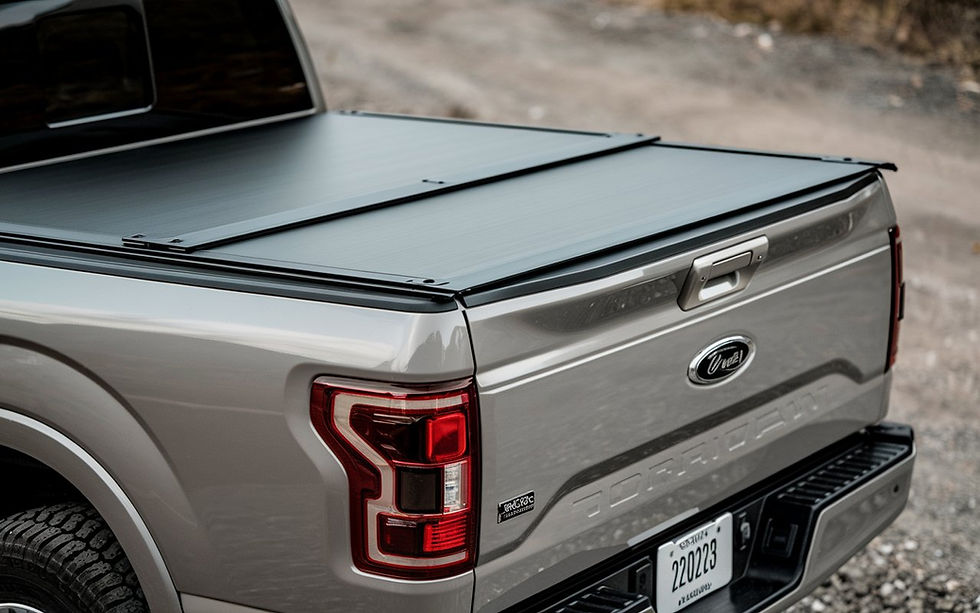
A clear method for evaluating options so you end up with the cover that actually fits your truck and usage.
Once you know your F-150’s bed length, year range, and basic priorities, the next challenge is comparing specific covers. Product pages all claim strong security, weather resistance, and easy access, yet real differences in materials, operation, sealing, and long-term performance can be substantial. A structured comparison prevents impulse decisions and costly mismatches.
Follow this process to evaluate F-150 tonneau covers side-by-side and reach a confident final choice.
Step 1: Confirm Non-Negotiable Fitment First
Eliminate any cover that does not match your exact configuration.Check:
Model year range (especially 2015–2020 vs. 2021–2026 differences)
Bed length (5.5 ft, 6.5 ft, or 8 ft)
Compatibility with Pro Power Onboard, bed liners, or other rail-mounted options
Only compare covers that pass this filter. Fitment errors are the most common reason for returns and poor performance.
Step 2: Rank Your Top Priorities
Decide the order of importance for your situation:
Security (tools or valuables left in the bed)
Bed access (full vs. partial, frequency of opening)
Weather protection and sealing
Durability and expected lifespan
Budget
Future accessory needs (racks, crossbars)
Your ranking determines which differences matter most during comparison.
Step 3: Compare Core Performance Categories
Use these categories to evaluate remaining options:
Security
Soft vinyl vs. rigid aluminum or composite panels
Locking method (auto-latch, dual-side, key lock, tailgate integration)
Resistance to forced entry or cutting
Access
Opening style and percentage of bed available (near-100% for roll-ups and most retractables; ~⅔ for standard tri-folds)
Ease and speed of operation (one-handed, multi-step, full-flip capability)
Rear-window visibility when open
Ease of complete removal
Weather Resistance
Quality of perimeter and inter-panel seals
Presence of drain channels or tubes
Ability to handle standing water or snow load
Owner feedback on real-world leaks in similar climates
Durability & Materials
Panel or vinyl construction and finish
Hinge, latch, and clamp quality
UV and corrosion resistance
Published weight capacity (if relevant)
Warranty length and coverage details
Installation & Ownership
No-drill clamp-on vs. more complex setups
Adjustment and tensioning requirements
Maintenance needs (UV protectant, lubrication, drain cleaning)
Brand support reputation
Step 4: Use a Simple Side-by-Side Framework
Create a quick comparison table for your finalists (example structure):
Feature | Cover A (Soft Roll-Up) | Cover B (Hard Folding) | Cover C (Retractable) |
Security level | Low | High | High |
Bed access | Near 100% | ~⅔ (or full-flip) | High (minus canister) |
Sealing reputation | Good with tension | Excellent | Excellent |
Expected lifespan | 4–8 years | 8–15 years | 10–15+ years |
Approx. price range | $250–$450 | $800–$1,300 | $1,500–$2,500 |
Rack compatibility | Limited | Some models | Often strong (T-slot) |
Daily operation | Very fast | Good | Excellent |
Fill in actual details from product specs and recent owner reviews for your specific F-150 configuration. Weight the columns according to your ranked priorities.
Step 5: Check Real-World Evidence
Spec sheets alone are not enough.Look for:
Recent owner reviews mentioning your bed length and year
Comments on leaks, latch reliability, noise, and long-term wear
Installation experiences (especially around Pro Power or rail fitment)
Any recurring complaints about the specific model
Pay more attention to patterns across multiple reviews than to isolated extremes.
Step 6: Factor in Total Cost of Ownership
Beyond the purchase price, consider:
Expected lifespan and likelihood of early replacement
Maintenance supplies (protectant, lubricants, replacement seals)
Potential accessory compatibility that avoids future swaps
Warranty value if problems arise
A moderately higher upfront cost often proves cheaper over 5–10 years if the cover lasts longer and performs more reliably.
Step 7: Narrow to Two Finalists and Decide
After the comparison, you should have one or two strong contenders.Ask:
Which one best matches my top two priorities?
Does it introduce any new limitations I am unwilling to accept?
Am I paying for features I will actually use?
If the answers align, you are ready to purchase. If not, revisit your priority ranking or expand the comparison slightly.
Common Comparison Pitfalls to Avoid
Letting the lowest price override clear gaps in security or sealing
Assuming all hard covers or all roll-ups perform the same
Ignoring short-bed access penalties on the 5.5 ft F-150
Overvaluing cosmetic features that do not improve function
Skipping recent, truck-specific owner feedback
Final Advice
Comparing F-150 tonneau covers effectively means starting with exact fitment, ranking your real priorities, evaluating the same performance categories across options, and validating claims with recent owner experiences. The cover that scores highest on the factors you care about most—not the one with the longest feature list or lowest price—will deliver the best daily results.


Comments